
When I am chatting with residents at their doors, sometimes they ask me what makes me different from the other candidates.
It is a fair question.
Every campaign uses photographs, platform promises, door knocking, and slogans. These things can help a person get elected, but they do not show how well a candidate will serve residents once the signs come down.
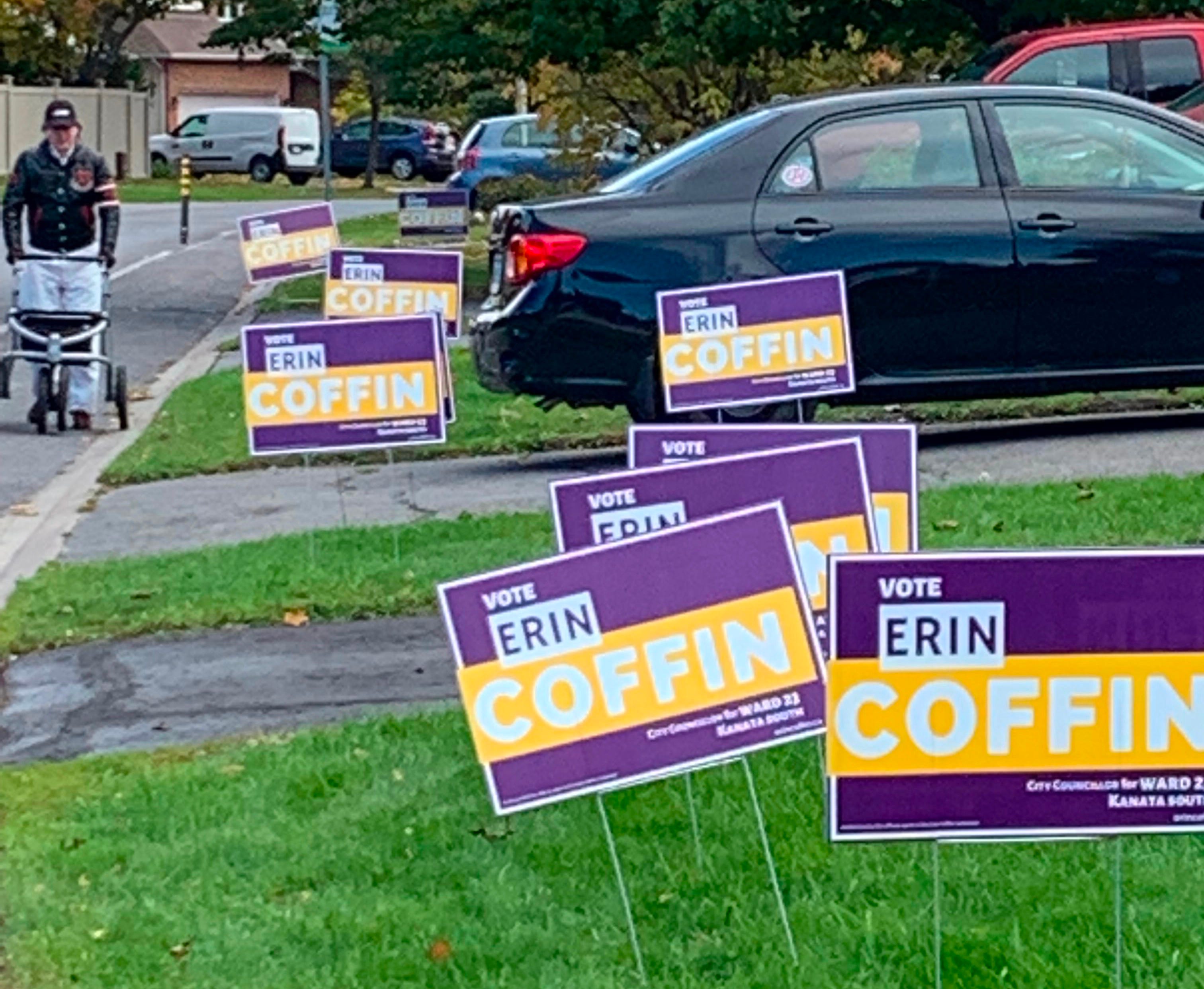
I start my answer with service.
I have spent nearly 30 years in the federal public service, working on public health, infrastructure, transportation, public safety, and emergency response. That experience taught me how government works—and how easily it can lose sight of the people affected by its decisions.
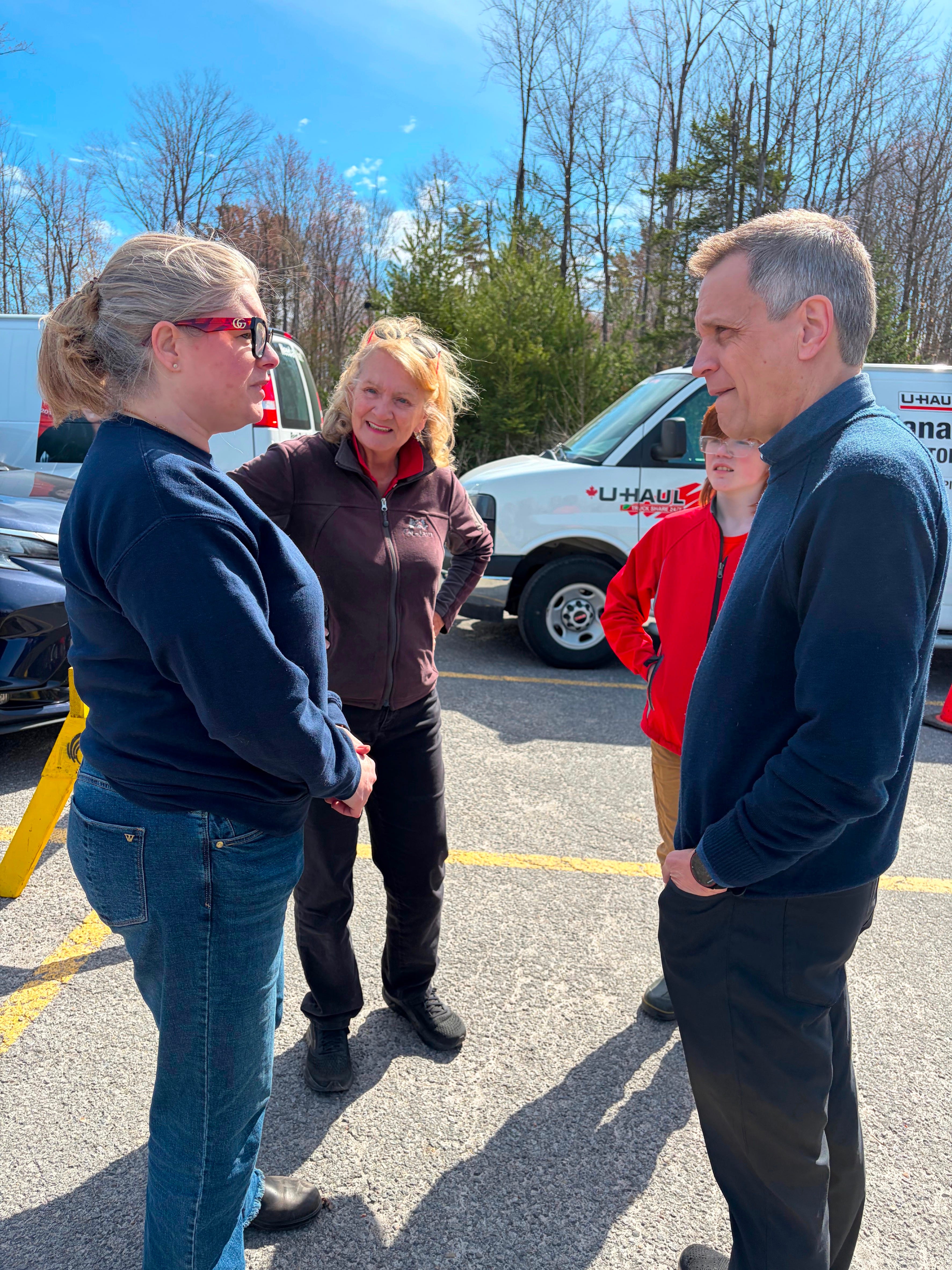
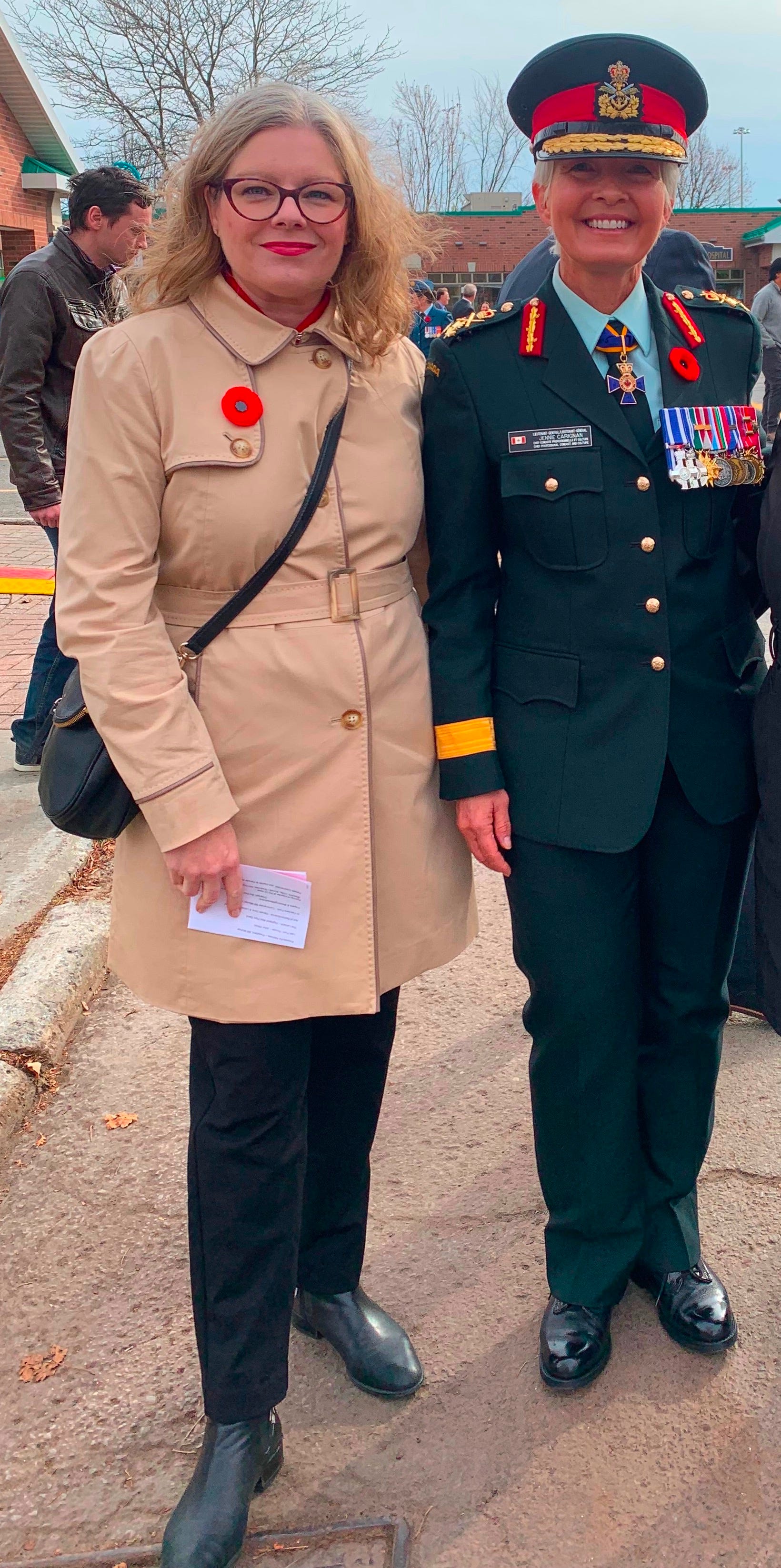
Here in the neighbourhood I call home, I serve as president of the Bridlewood Community Association. I do not treat it as a ceremonial role, and I certainly do not see it as a photo opportunity. I listen to residents, work alongside volunteers, lead collective action, and make sure community concerns reach the people who can act on them.
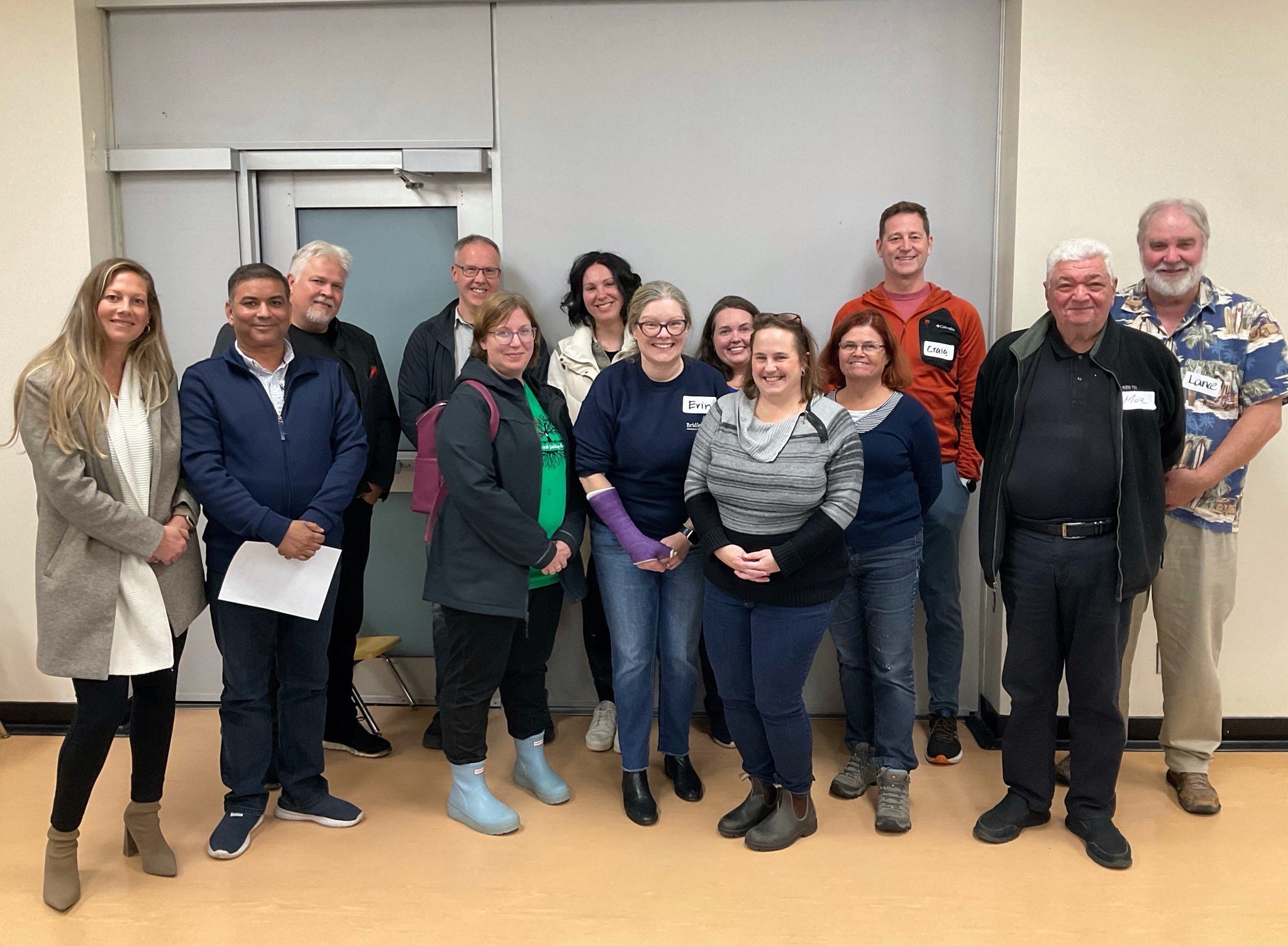
Together, our volunteers support recreation programs, maintain 13 outdoor rinks, organize community events, and speak up on the local issues that shape our day-to-day lives.
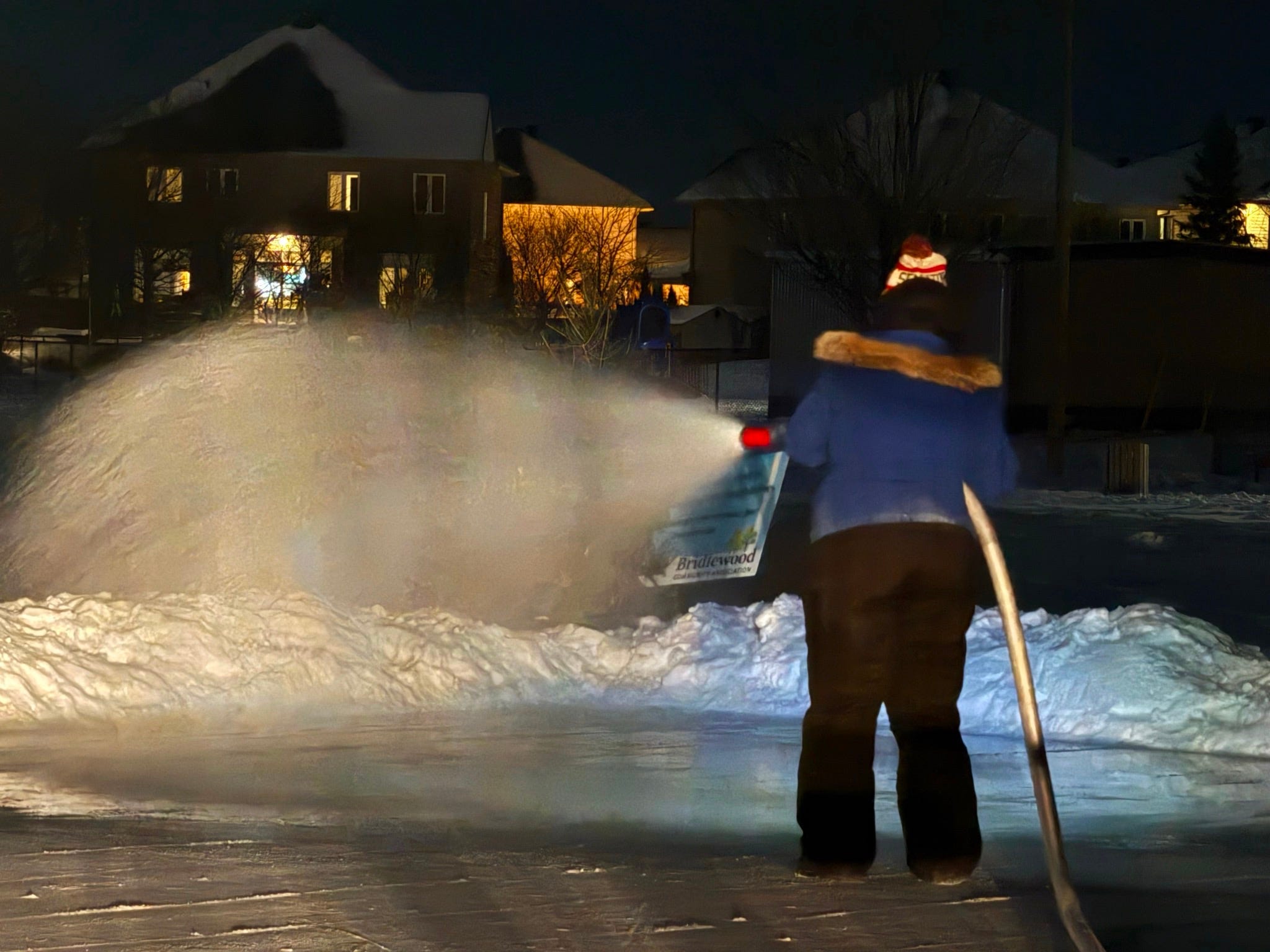
When proposed changes to Bluegrass Park raised concerns about rink access, water supply, and snow removal, I worked with city staff, especially the park planner, to make sure they considered better options. We did not need headlines. We needed advocacy, good questions, and practical changes that delivered the outcomes park users wanted.
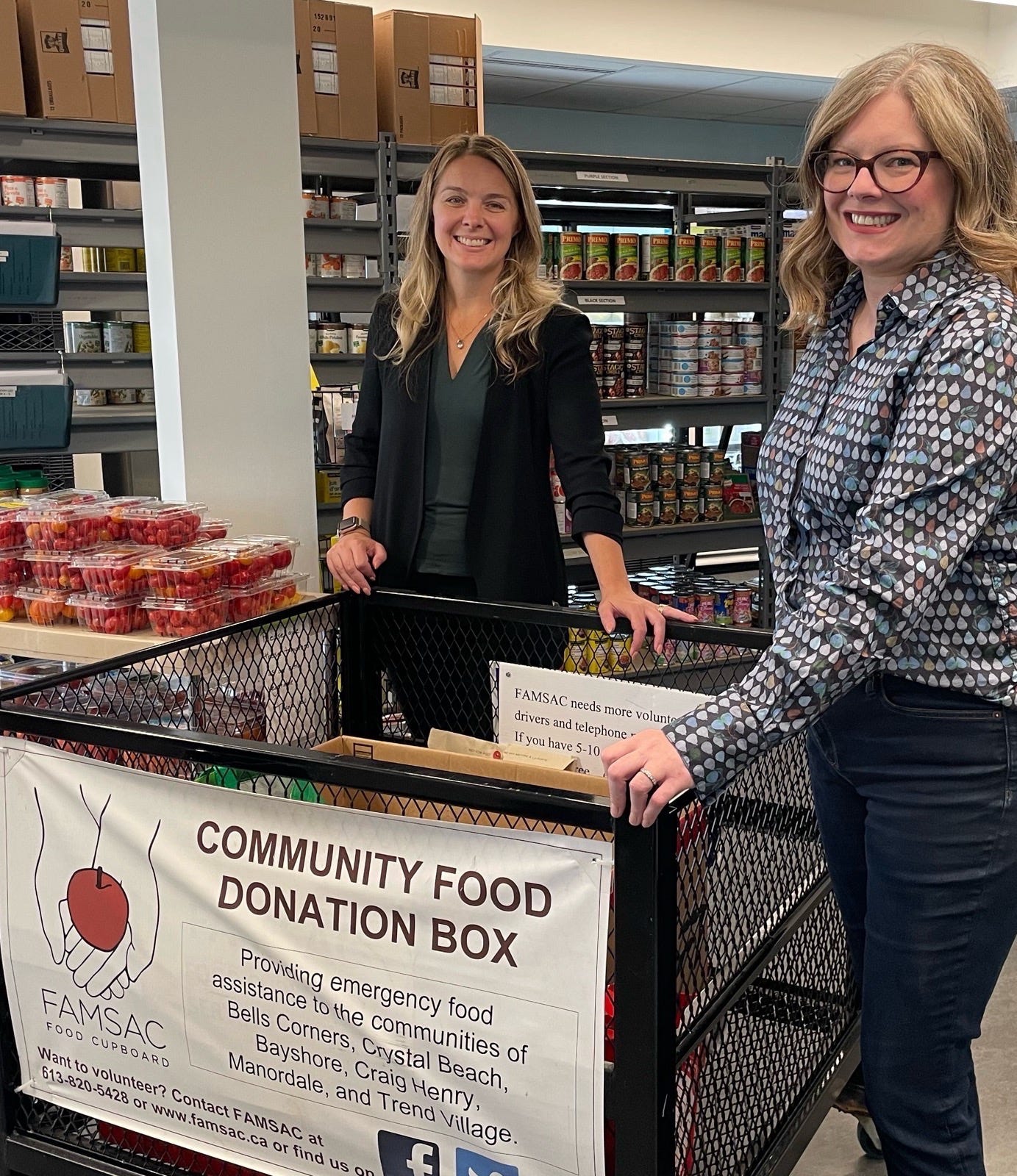
Food security has been a key part of my volunteer work for many years. I volunteer and serve on the board of the FAMSAC Food Cupboard in neighbouring Bells Corners, which is connected to my church community. When I saw the growing need in my own neighbourhood, I started the Great Bridlewood Food. Over the past three years, neighbours have generously donated, and volunteers have collected more than 100,000 pounds of food for Kanata families.
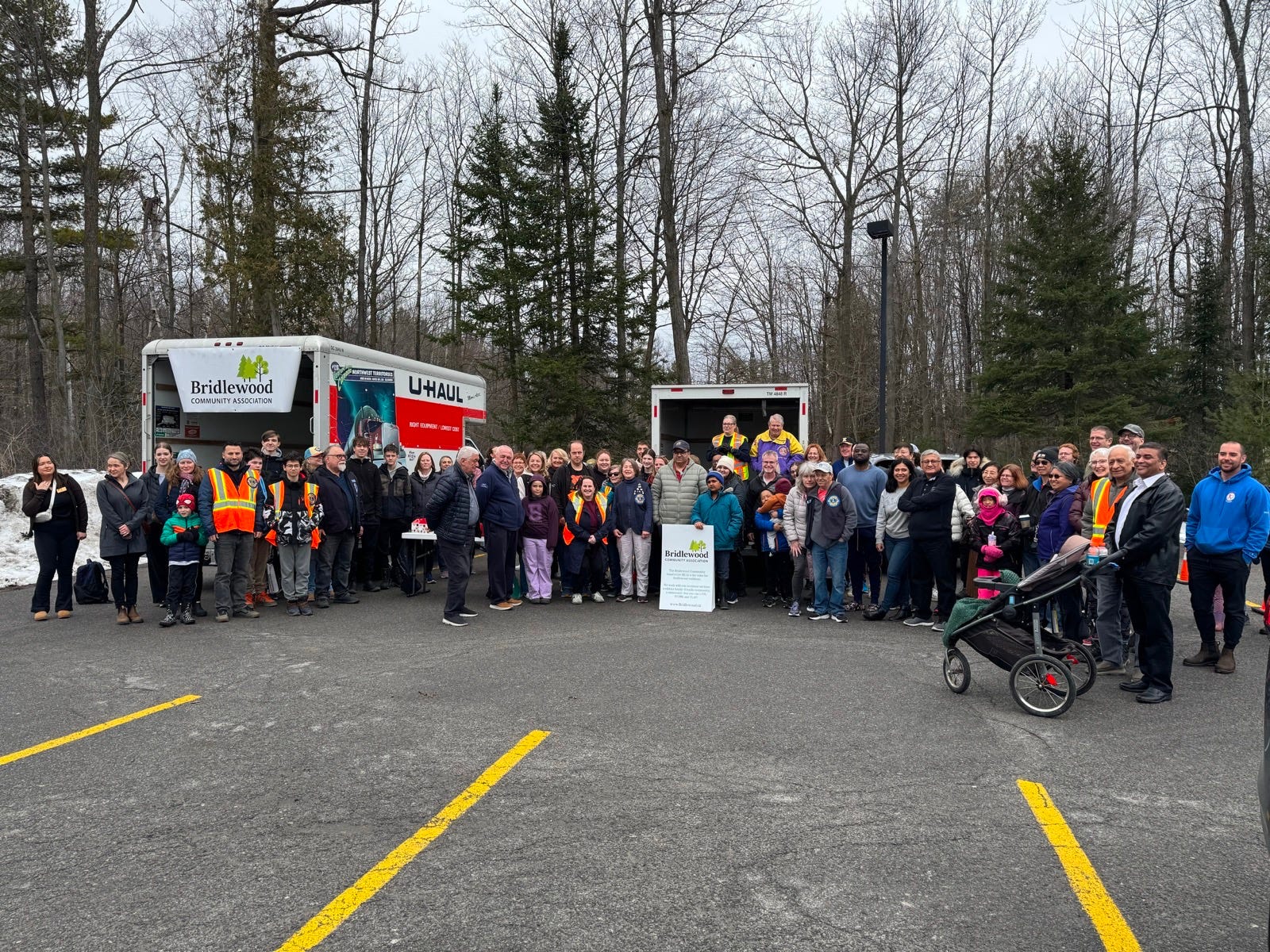
I am deeply proud of what we have accomplished together, because it shows what is possible when neighbours, volunteers, families, and local businesses come together for a shared purpose. One of the best parts is seeing families volunteer side by side and watching children learn that their efforts, and our community’s generosity, can make a real-world difference.
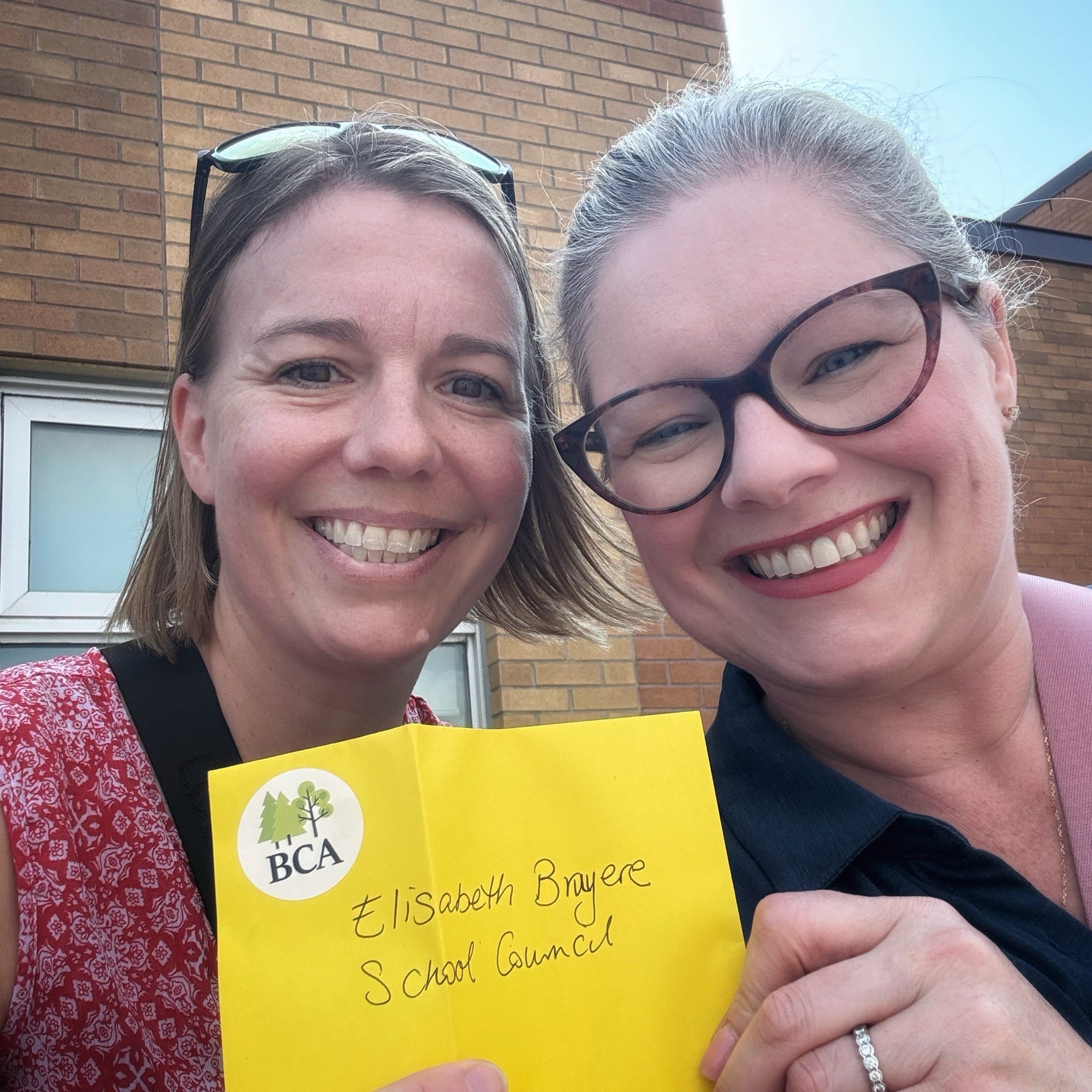
I am proud of what our community has accomplished, but I would never claim that work as mine alone. My neighbours give their time, energy, and care to collect every bag of food, build and maintain every rink, coach every spring sports team, and bring every community event to life. Local businesses also step up to support the people around them.
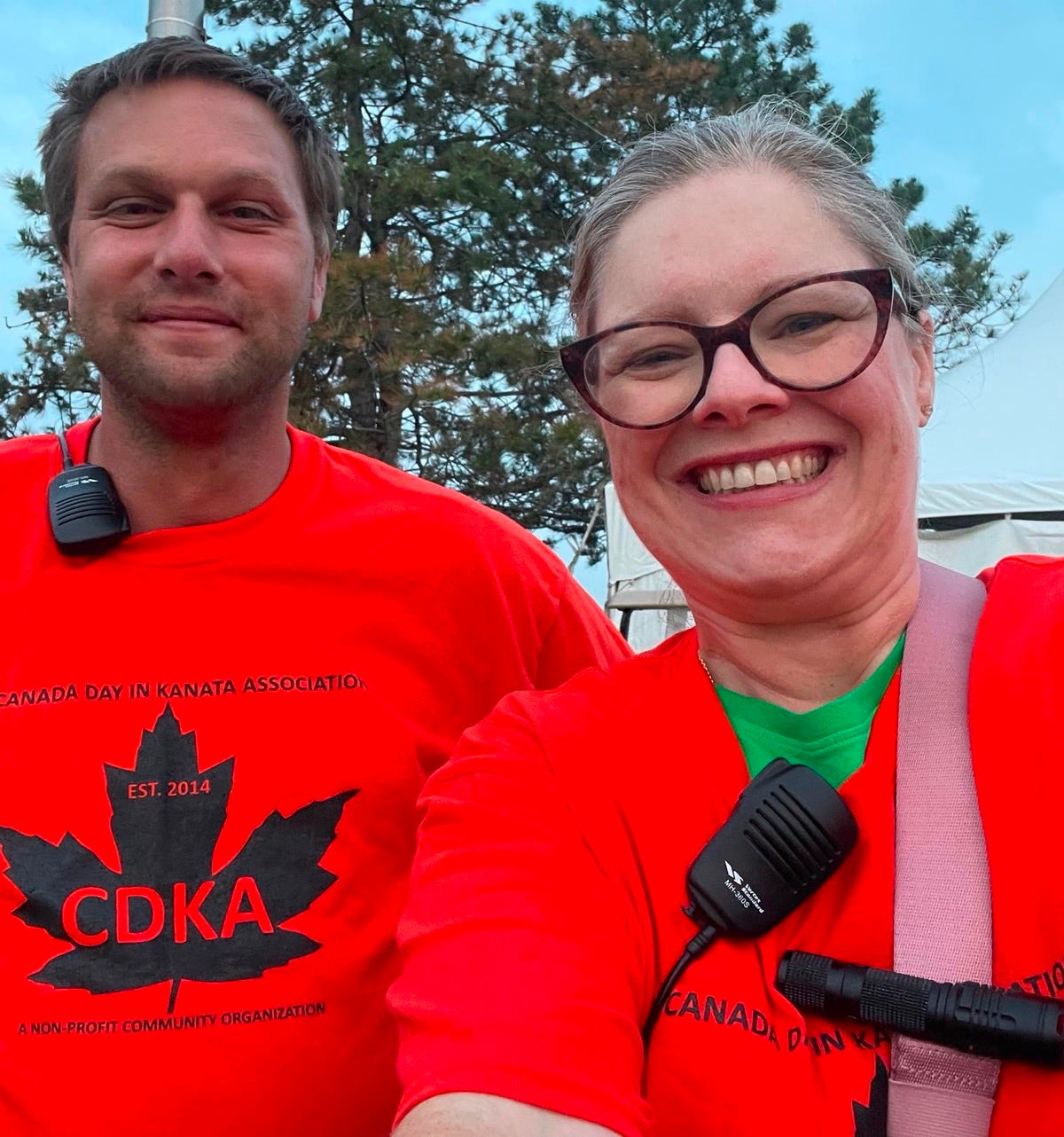
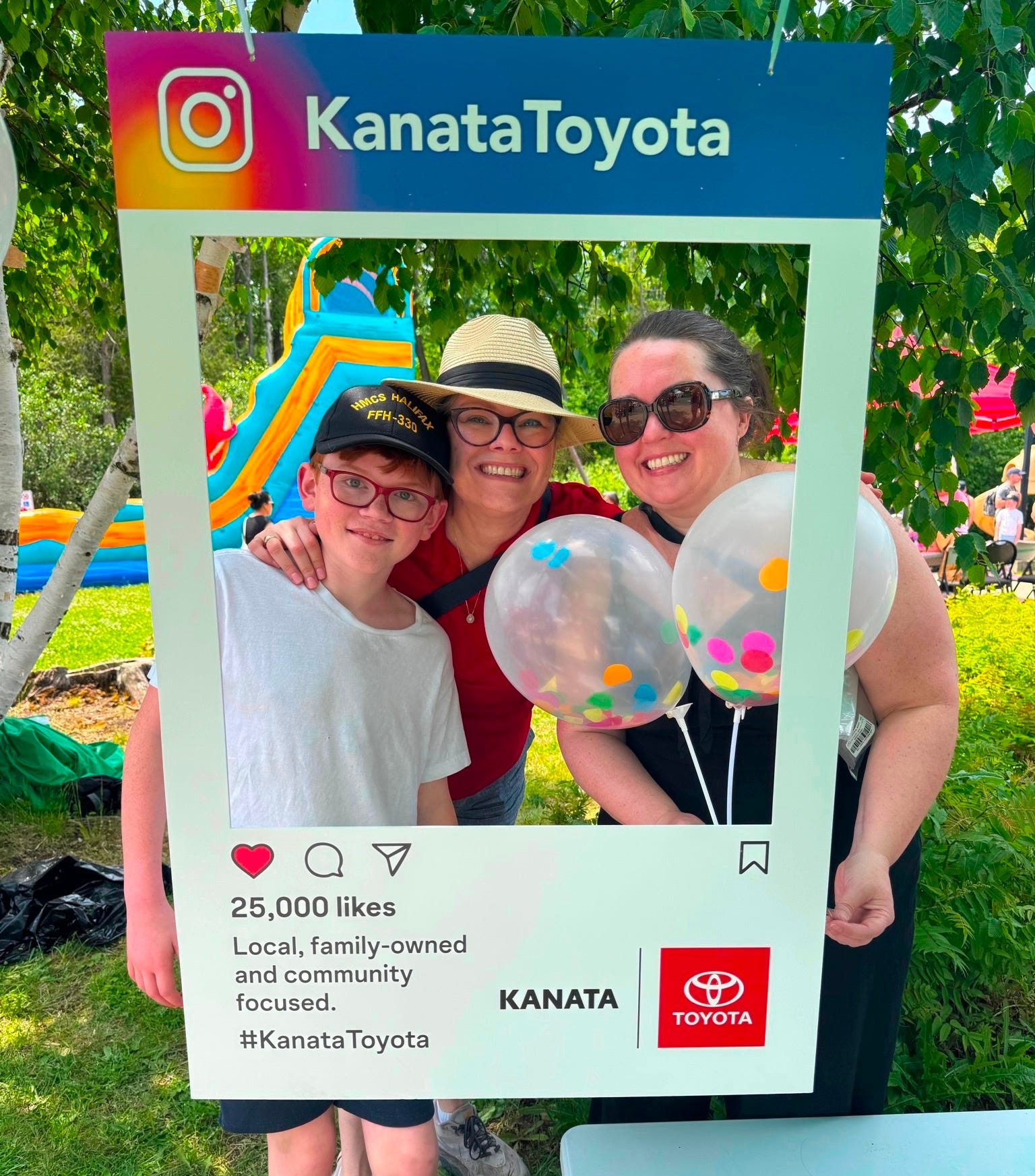
As president of the Bridlewood Community Association, I have partnered with businesses of all sizes—from car dealerships to small local shops—to sponsor spring sports, support community events, donate prizes, and cover the practical costs that make programs possible. In return, we recognize and promote those businesses through our community channels, because supporting local should go both ways. To me, leadership is not about taking credit. It is about bringing people together, removing obstacles, and helping our community become a place we are proud to call home.
That same approach shapes the issues I have written about here. When I write about infrastructure, I draw both on my government experience and on what residents have shown me in our neighbourhoods. When I say we should measure transit by whether people can complete their trips, I start from a simple belief: government should measure what residents really experience and need. And when I write about growth, I do so because we cannot plan roads, drainage, recreation, and transit in isolation. We must make them work together as connected services and community spaces.
You can see my approach in my Substack articles: Kanata South Deserves More Than ‘I Guess It’s OK’, Growth Without a Plan, and Why Trip Success May Matter More—where I write about protecting and maintaining our infrastructure, planning growth properly, and measuring transit through riders’ real experience. I carried that same message to City Hall when I delegated at committee and called for OC Transpo to use resident-focused performance measures that reflect whether people can get where they need to go. The video of that delegation is included in the post.
I did not create these plans only for an election. Years of public and community service shaped them.
I am not asking my neighbours to take a chance on me blindly or judge me only by what I promise during a campaign. I am asking them to look at the work I have already done, the results I have helped deliver, and the commitment I continue to make to the community every day.
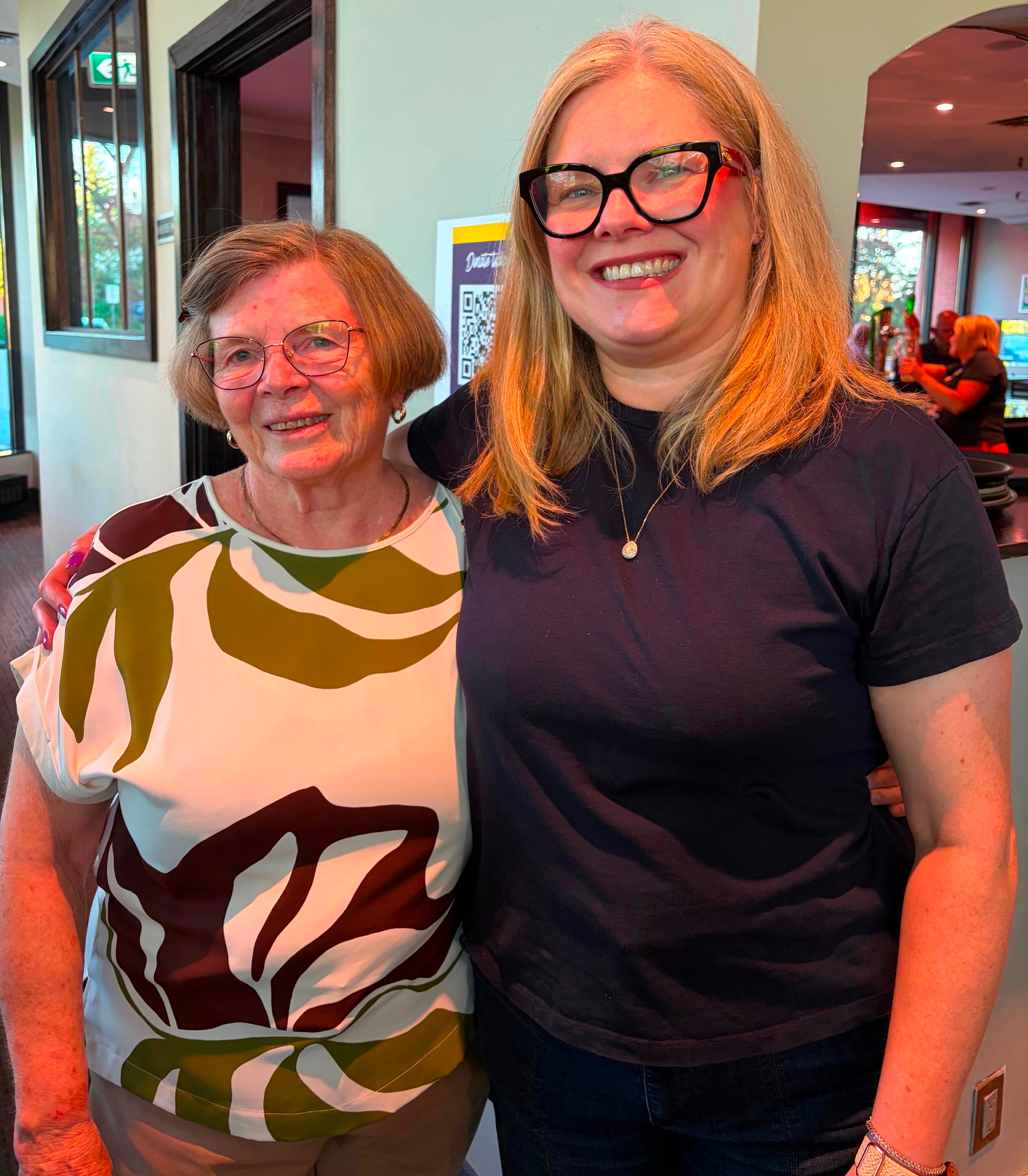
I end my answer with family.
I moved to Kanata with my parents in 1990, and returned as an adult after completing my post-graduate studies overseas in the United Kingdom, and I have built a life here with my husband, raising our two boys. I have spent decades getting to know the people, places and challenges that shape everyday life in Kanata South. I am a parents council mum, and I am also a hockey and football mum too!
I appreciate what has been built in Kanata South but I am concerned like so many neighbours that I talk to on a regular basis that growth is starting to outpace the vital city services and infrastructure so many rely upon. I do not want to keep the status quo or be faced with having to restart the processes of rebuilding all together. I believe that keeping this community growing and moving forward is possible without loosing what makes it special. This means protecting what we love about Kanata South while being open, honest and transparent about what needs to work better.
It is time for change in Kanata South, and I am ready to help deliver the practical outcomes residents want — with the same steady, hands-on commitment whether it is an election year or not.
Choose representation that Keeps Up!
Your Voice. Your Ward. Your Choice.
Volunteer. Donate. Request a lawn sign!
-30-
Authorized by the Erin Coffin Campaign, Ward 23 Kanata South